
Pangolins going extinct (PANGO-GO): Tracing the local-to-global trade of the most trafficked mammals on Earth with evolutionary-based toolkits
Project coordinator (2018-2023)
Funding: ANR Programme Gestion sobre des ressources et adaptation au changement climatique (DS01) 2017
Project ID: ANR-17-CE02-0001
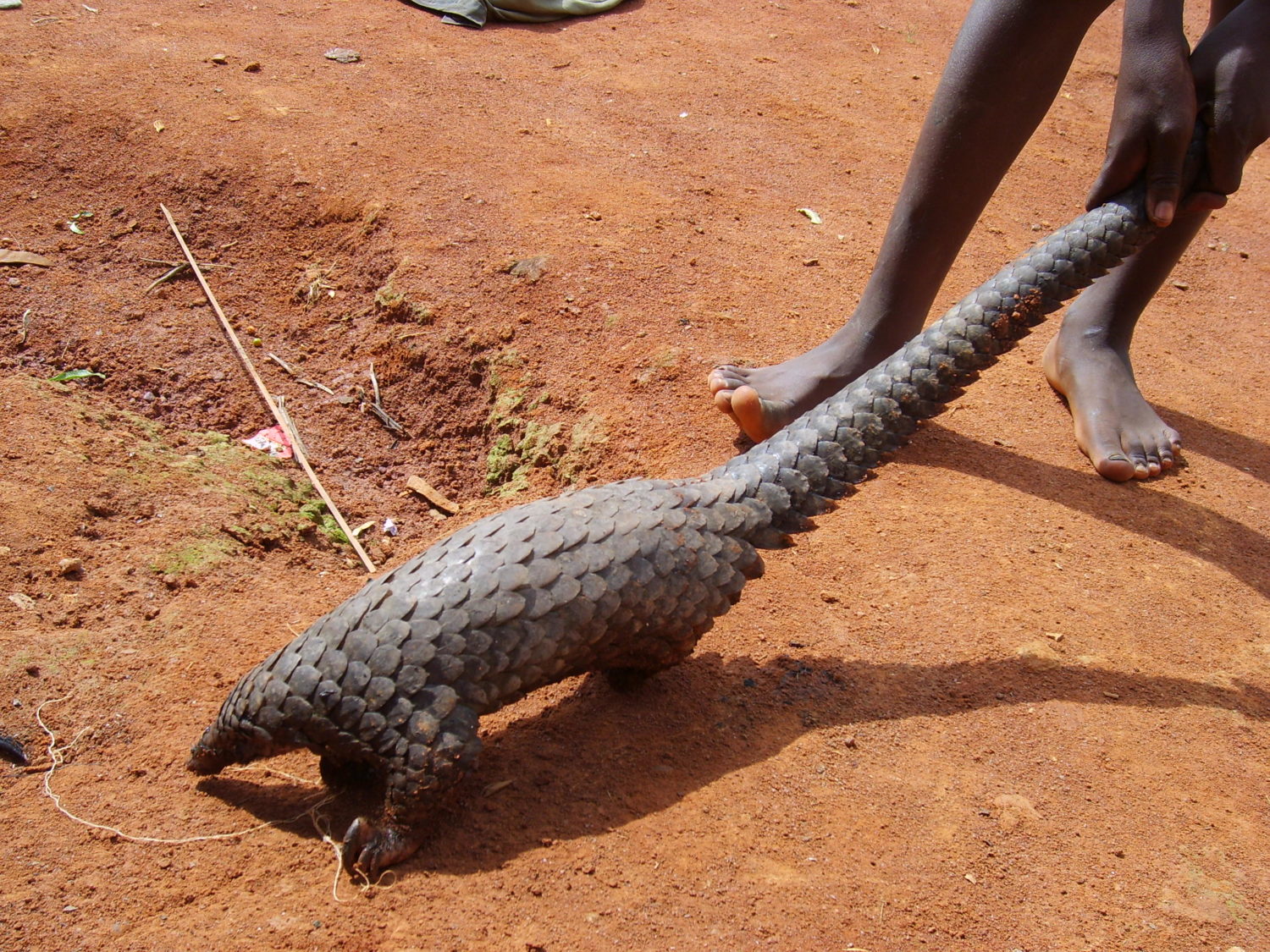
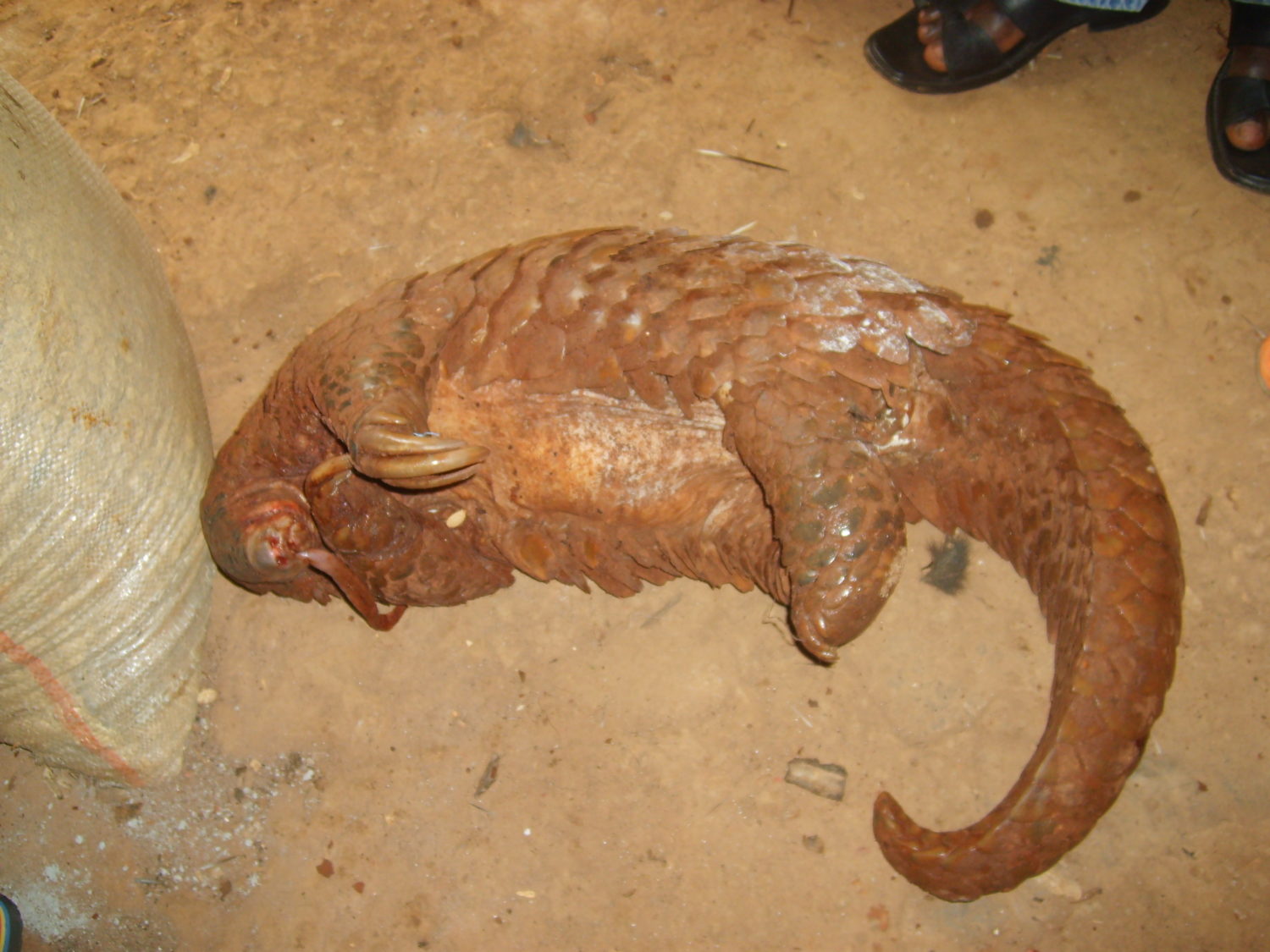
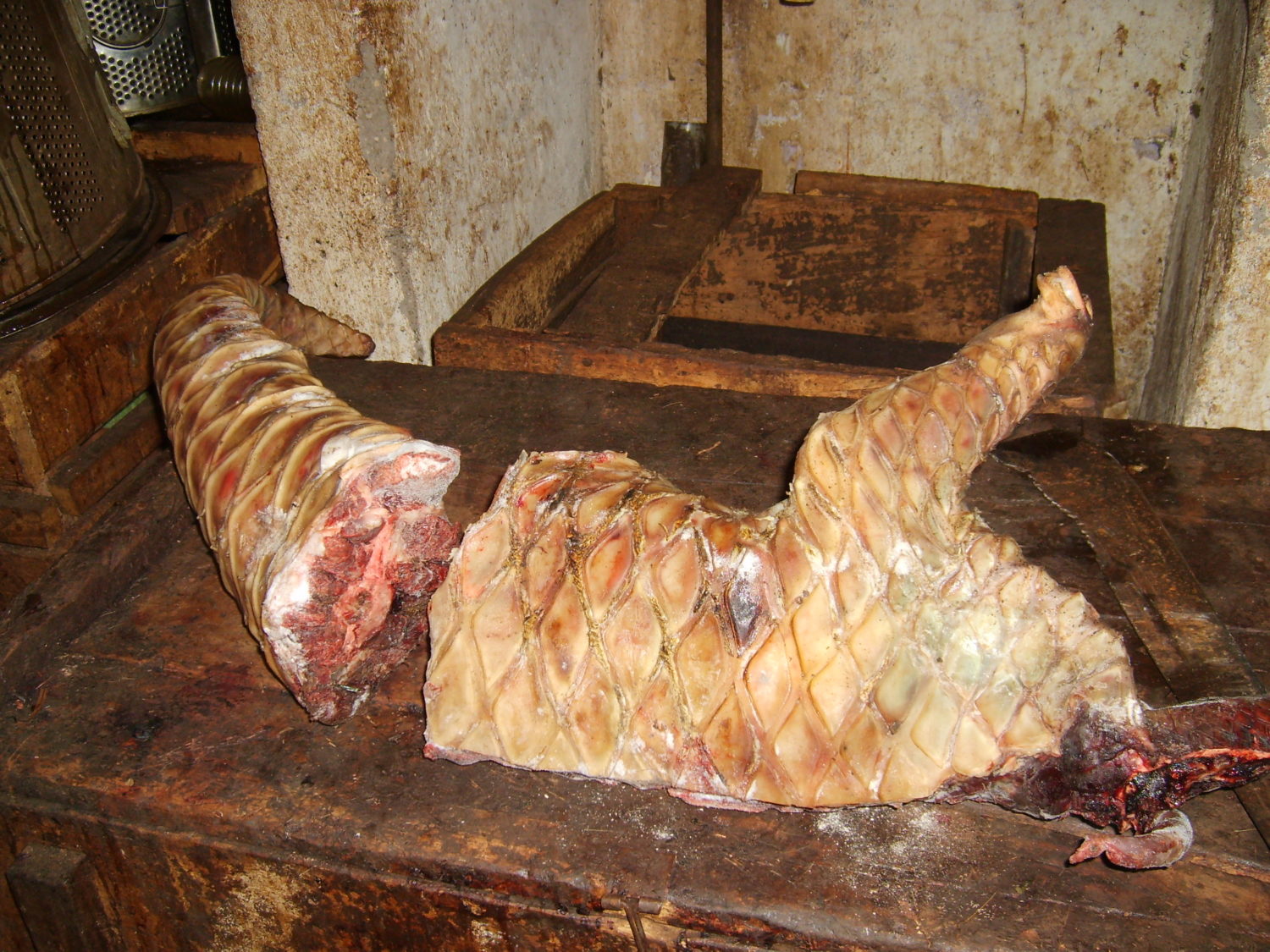
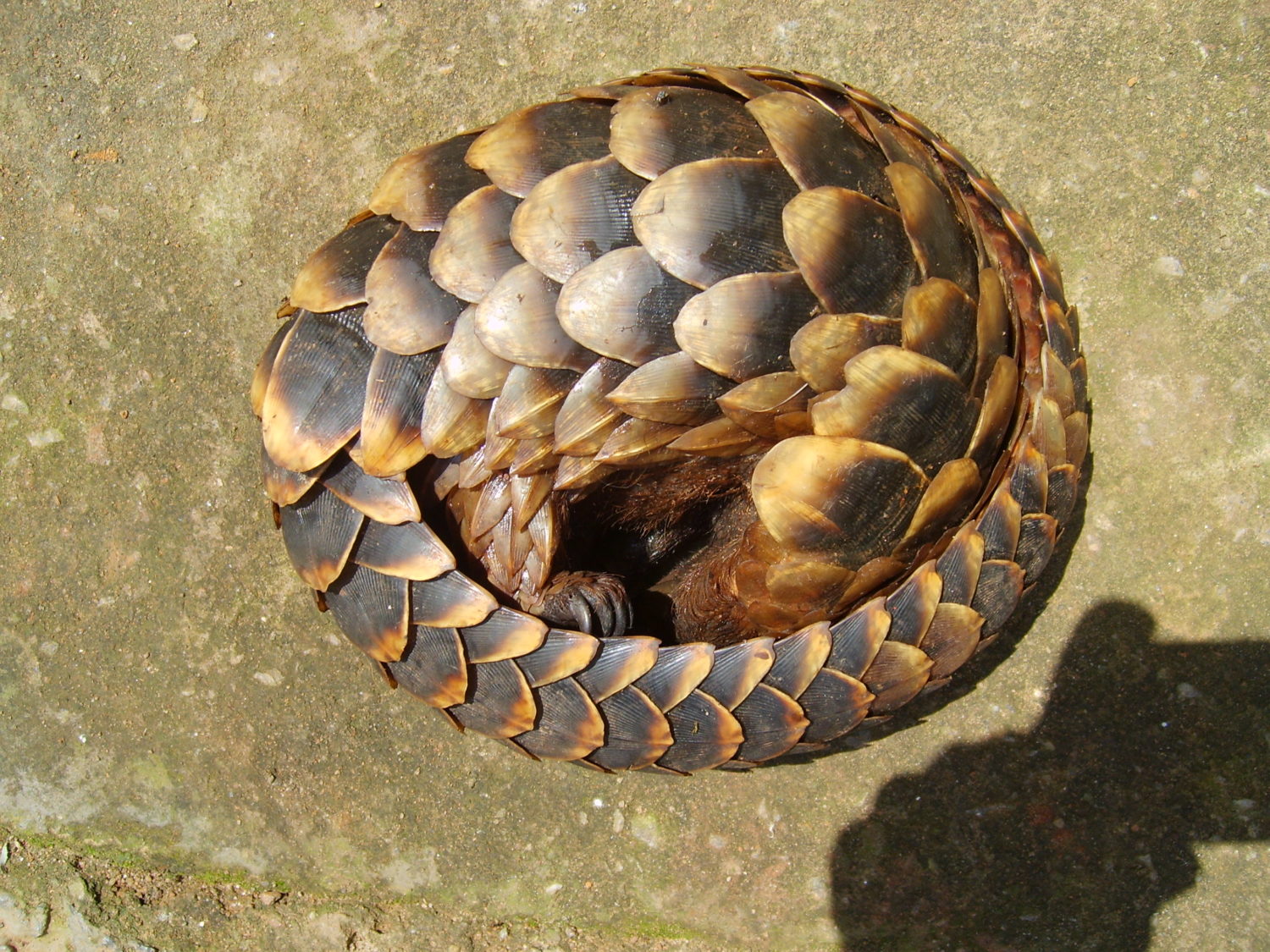
The scale of wildlife trade has moved from local to global notably through the growing demand from local urban centers and Chinese Traditional Medicine markets. Pangolins, a group of Afro-Asian ant-eating mammals, have recently emerged as the most trafficked mammals on Earth, being literally “eaten to extinction”. So far, the pangolin trade has suffered from poor traceability because of (i) the various forms under which pangolins are traded, from smoked carcasses to scale powder, and (ii) the lack of knowledge on their diversification patterns.
In PANGO-GO, we propose an integrative evolutionary framework combining cutting-edge genomics and 3D morphometrics approaches with modeling of local trade networks, from which innovative, turnkey tools are derived to implement an efficient tracing of pangolins. Our approach is expected to answer the growing societal demand for mitigating the pangolin trade.
Through our collaboration with focal partners in Gabon and China together with the implication of local bushmeat stakeholders, we expect to deliver efficient and accessible tools for tracing the pangolin trade across its various scales, to support international law enforcement and to raise conservation awareness along the bushmeat commodity chain that will eventually prevent pangolins from going extinct.
Pablo Tedesco
Centre de Recherche sur la Biodiversité et l’Environnement (CRBE)
Université Paul Sabatier
Toulouse
France
Guillaume Billet
Centre de Recherche sur la Paléodiversité et les Paléoenvironnements (CR2P)
Muséum National d’Histoire Naturelle
Paris
France
Lionel Hautier, Emmanuel Paradis, Frédéric Delsuc
Institut des Sciences de l’Evolution de Montpellier (ISEM)
Université de Montpellier
France
Collaborators
Katharine Abernethy, Agence Nationale Des Parcs Nationaux (ANPN) / Centre National de la Recherche Scientifique (CENAREST), Gabon
Stephan Ntie, Laboratoire de Génétique Département de Biologie, Faculté des Sciences, Université des Sciences et Techniques de Masuku, Franceville, Gabon
Shu-Jin Luo, Genomic Diversity and Evolution, School of Life Sciences, Peking-Tsinghua Center for Life Sciences, Beijing, China
The complete phylogeny of pangolins…
Pangolins: Science, Society and Conservation
Skull shape variation in extant pangolins…
A timely systematic review on pangolin research, commercialization, and popularization to identify…
Can DNA help trace the local trade of pangolins? Conservation genetics…
DNA-typing surveillance of the bushmeat in Côte d’Ivoire: a multi-faceted tool…
DNA-typing improves illegal wildlife trade surveys…
Pangolin genomes offer key insights and resources…
Genomic analysis reveals a cryptic pangolin species
Assessing the impact of the wildlife trade in West Africa…
Conservation genetics of the white‐bellied pangolin in West Africa: A story of lineage admixture…
Genetic tracing of the illegal trade of the white-bellied pangolin…
Scaling up morphological differentiation of pangolin scales…
Improving DNA detection sensitivity…
Targeted sequencing enhances detection of pangolin trafficking hotspots…
Brain drain: exceptional pattern of calvarial venation in pangolins…
3D models related to the publication: brain drain: exceptional pattern…